
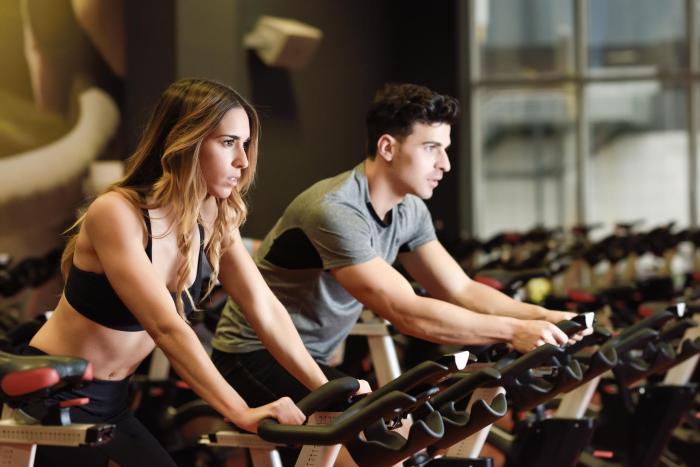
Burnout is no longer a fringe concept in Singapore. It has become a mainstream public health conversation. A 2023 survey by a major HR consultancy found that Singapore ranked among the highest in Asia-Pacific for workplace burnout rates, with a significant proportion of workers reporting chronic exhaustion, emotional detachment from work, and a persistent sense of reduced efficacy. Anxiety disorders are the most common mental health condition in Singapore, and depression rates are rising steadily, particularly among younger working adults.
Against this backdrop, the growing popularity of indoor cycling Singapore as a mental health tool is not coincidental. It reflects a broader, evidence-backed shift in how Singaporeans are approaching psychological wellbeing. Exercise, and specifically high-intensity group exercise, is emerging not just as a supplement to therapy or medication but as a primary intervention in its own right for mild to moderate mental health challenges.
Understanding Burnout: More Than Just Tiredness
Burnout is clinically distinguished from ordinary tiredness by three defining features: emotional exhaustion, depersonalisation (a sense of disconnection from work and relationships), and a feeling of reduced personal accomplishment. It is caused by prolonged exposure to chronic stressors without adequate recovery, and it creates a dysregulation of the body’s stress response system.
People experiencing burnout often have chronically elevated cortisol, disrupted sleep patterns, suppressed immune function, and reduced motivation. They may feel too exhausted to exercise, which creates a vicious cycle because exercise is one of the most effective interventions for the very neurobiological conditions that burnout creates.
This is where the structured, time-limited, socially supported format of an indoor cycling class becomes particularly valuable. You do not need motivation to design your own workout. You do not need to make decisions about intensity or duration. You show up, clip in, and the instructor and the music carry you through. For someone experiencing burnout, this reduction in cognitive load is not a minor convenience. It is what makes exercise accessible when willpower is depleted.
The Neuroscience of Exercise and Anxiety
Anxiety is characterised by hyperactivation of the amygdala, the brain’s threat detection centre, and chronic elevation of stress hormones including cortisol and adrenaline. Exercise provides a biologically logical antidote to this state. When you engage in sustained aerobic exercise, several interconnected processes work together to reduce anxiety.
Firstly, the physical exertion provides an appropriate outlet for the adrenaline and cortisol that anxiety generates, allowing these hormones to be metabolised rather than simply recirculating in the system. Secondly, the rhythmic, bilateral nature of cycling activates the prefrontal cortex and creates what some researchers describe as a state of mindful movement, where the body’s physical demands naturally draw attention away from ruminative thought patterns. Thirdly, the endorphin and serotonin release that follows intense exercise directly counteracts the neurochemical profile of anxiety.
Studies comparing exercise interventions with cognitive behavioural therapy (CBT) for anxiety have found that regular vigorous exercise produces comparable reductions in anxiety scores, with the combination of both being the most effective approach of all.
Group Exercise and the Social Dimension of Mental Health
One of the most underappreciated aspects of indoor cycling as a mental health tool is the group environment. Loneliness and social isolation are significant contributors to poor mental health, and Singapore’s urban lifestyle, despite its density, can be surprisingly isolating. The sense of community in a cycling class, working alongside others, being led by an instructor who knows your name, sharing a collective physical challenge, provides a form of structured social connection that many people find they have been missing.
Research from Oxford University found that exercising in groups produced significantly greater pain tolerance and endorphin release compared to solo exercise at equivalent intensity. This suggests that the social dimension of group cycling is not merely a motivational boost. It produces measurable neurobiological effects that solo exercise cannot replicate.
Cycling as a Structured Mindfulness Practice
One of the paradoxes of burnout is that the very activities recommended for recovery, meditation, rest, quiet reflection, are often the hardest to engage in when the mind is in an overactivated state. Many people experiencing burnout find that sitting still with their thoughts is more distressing than helpful, at least initially.
Indoor cycling offers an alternative route to the same outcome. The intense focus required to match cadence to music, respond to the instructor’s cues, and manage resistance during sprint intervals creates a state of present-moment absorption that functions neurologically like mindfulness. The mind cannot simultaneously ruminate about tomorrow’s presentation and sprint at 110 RPM. This forced mental disengagement from anxiety-producing thoughts provides genuine cognitive relief.
Building a Sustainable Mental Health Routine Around Cycling
Start Small and Be Consistent
The mental health benefits of indoor cycling are dose-dependent and require consistency. Beginning with two sessions per week and maintaining this schedule for four consecutive weeks is sufficient to produce noticeable mood improvements in most people. The temptation to do more immediately should be resisted. Overtraining when already experiencing burnout can worsen fatigue.
Pair Exercise With Adequate Sleep
Exercise is one part of a recovery equation that also requires sleep. Indoor cycling improves sleep quality over time through its regulatory effect on cortisol and body temperature rhythms, but it is important to allow at least two hours between an intense cycling session and bedtime to allow the stimulatory effects to subside.
Use the Community as an Anchor
One practical strategy for maintaining exercise consistency during periods of low motivation is to sign up for scheduled classes in advance and to connect with other regular participants. The social commitment of having others expect to see you in class is a more reliable motivator than willpower alone when mental health is depleted.
True Fitness Singapore offers a welcoming community environment with instructors trained to support participants through varying fitness and energy levels.
FAQ
Q. Can indoor cycling replace therapy or medication for anxiety and depression?
A. For mild to moderate anxiety and depression, exercise has strong clinical evidence as a standalone intervention. For moderate to severe conditions, it works best as a complement to professional treatment rather than a replacement. If you are experiencing significant mental health difficulties, please consult a doctor or mental health professional.
Q. I feel too exhausted from burnout to exercise. How do I break that cycle?
A. Start with a commitment of just one session per week for the first two weeks, and choose a time slot when your energy is naturally slightly higher, usually mid-morning or early afternoon rather than late evening. Tell yourself you only need to complete the warm-up. Most people find that once they are in the room and moving, the session carries them through. The post-session energy lift is usually sufficient to reinforce the habit.
Q. Does the type of music played in cycling classes affect the mental health benefit?
A. Yes, meaningfully so. Music tempo, rhythm, and emotional tone all influence the neurological response to exercise. Synchronising movement to music amplifies endorphin release and increases perceived enjoyment. RPM classes are specifically designed with music programming that matches effort phases, which maximises both physical performance and emotional response.
Q. Is indoor cycling suitable for someone currently on antidepressants?
A. Generally, yes. Most antidepressants are compatible with vigorous exercise. Some SSRIs can cause an initial increase in anxiety in the early weeks of treatment, and very intense exercise might briefly amplify this. Starting at moderate intensity and building gradually is a sensible approach. Always inform your prescribing doctor that you are beginning a vigorous exercise programme so they can advise on any specific considerations.
Q. How long before I notice mental health improvements from indoor cycling?
A. The immediate mood boost from a single session is noticeable within the first class for most people. Sustained improvements in baseline anxiety, sleep quality, and stress resilience typically become apparent after three to four weeks of two-to-three sessions per week. Significant changes in mood and energy levels are usually well-established by the eight-week mark.
