
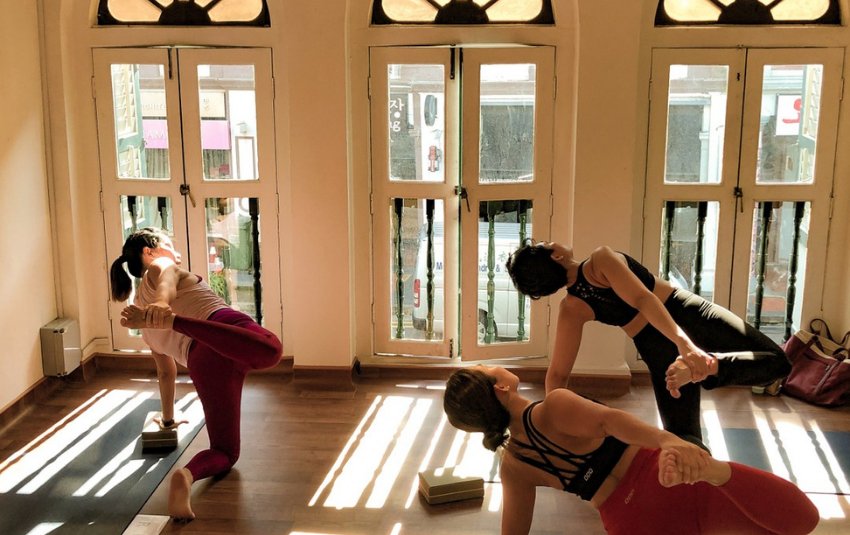
Life in Singapore moves fast. Long working hours, constant screen exposure, packed schedules, and high expectations quietly place pressure on the nervous system. Over time, this pressure often shows up as anxiety, poor sleep, shallow breathing, restlessness, and a feeling of being constantly switched on. Many people try group yoga classes hoping to relax, yet find it hard to truly settle. This is where private yoga classes singapore offer a far more effective and personal solution.
Unlike group settings, one to one yoga focuses entirely on how your nervous system responds to stress, rest, and recovery. It is not about doing more poses. It is about creating safety, slowing down internal noise, and retraining your body to switch out of survival mode.
Why Anxiety and Sleep Issues Are Nervous System Problems
Anxiety and sleep difficulties are often treated as mental challenges, but they are deeply physical. When the nervous system stays in a heightened state for too long, the body struggles to relax even when the mind wants to.
Common signs include:
-
Difficulty falling asleep despite feeling tired
-
Waking up multiple times at night
-
Racing thoughts before bed
-
Tight jaw, shoulders, or chest
-
Shallow or irregular breathing
-
Feeling wired but exhausted
Private yoga works directly with these patterns by regulating the nervous system rather than suppressing symptoms.
How One to One Yoga Differs From Group Classes
In a group class, instructions are general and pacing is fixed. For someone with anxiety or sleep issues, this can feel overwhelming or ineffective. Private yoga removes these limitations by adjusting everything to you.
With one to one sessions, the instructor can:
-
Observe how your breath changes under stress
-
Notice subtle tension patterns others may miss
-
Adjust pacing moment by moment
-
Choose poses based on nervous system response, not intensity
-
Pause or modify whenever the body signals overload
This creates a sense of safety that is essential for deep relaxation and recovery.
Understanding the Nervous System in Daily Life
The nervous system has two main modes. One prepares the body for action, stress, and alertness. The other supports rest, digestion, and recovery. In modern urban living, many people spend too much time in the alert state and struggle to access rest mode naturally.
Private yoga helps retrain this balance by:
-
Slowing breath patterns that calm the body
-
Reducing muscle guarding linked to anxiety
-
Creating predictable, soothing movement sequences
-
Teaching awareness of early stress signals
Over time, your body learns that it is safe to relax again.
Breath Work as the Foundation of Calm
Breathing is the fastest way to influence the nervous system. In private yoga, breath work is introduced gently and progressively, rather than forced or overly technical.
Sessions may focus on:
-
Lengthening exhalation to trigger relaxation
-
Reducing breath holding during stress
-
Improving rib and diaphragm movement
-
Coordinating breath with slow, simple movements
These techniques help lower heart rate and quiet mental chatter, making it easier to rest and sleep.
Yoga for Anxiety Without Overstimulation
Some yoga styles can unintentionally increase anxiety by pushing intensity, speed, or performance. One to one yoga avoids this by prioritising regulation over exertion.
Movements are chosen to:
-
Ground the body through slow transitions
-
Avoid sudden changes that trigger alertness
-
Encourage inward focus rather than external comparison
-
Build trust in stillness and simplicity
This approach allows anxiety to soften gradually instead of being forced away.
Improving Sleep Through Personalised Yoga Practices
Sleep improves when the body feels safe enough to let go. Private yoga sessions often include tools specifically designed for evening routines and pre-bed preparation.
You may work on:
-
Gentle sequences that release physical tension before sleep
-
Breath pacing that signals bedtime to the nervous system
-
Simple restorative positions adapted to your comfort
-
Awareness practices that reduce mental overstimulation
These techniques are practical and easy to repeat at home without equipment.
Addressing Stress Patterns Unique to Singapore Living
Singapore’s lifestyle brings specific stressors that affect sleep and anxiety, such as long commutes, digital overload, and performance-driven environments. Private yoga adapts practices to these realities rather than offering generic advice.
Sessions may include:
-
Short decompression practices for after work
-
Nervous system resets for travel-heavy schedules
-
Movement strategies for people who sit most of the day
-
Techniques to unwind after late dinners or social obligations
This makes the practice relevant and sustainable.
Emotional Safety and Trust in One to One Sessions
For many people dealing with anxiety, emotional safety is just as important as physical comfort. Private yoga creates a space where there is no pressure to keep up, perform, or explain yourself.
This environment supports:
-
Slower learning without judgement
-
Honest communication about comfort levels
-
Exploration of rest without guilt
-
Building confidence in listening to your body
These elements are difficult to achieve in group settings.
How Consistency Changes the Nervous System Over Time
Nervous system regulation improves through repetition, not intensity. Regular one to one yoga sessions gradually rewire how the body responds to stress.
Long-term changes may include:
-
Faster recovery from stressful events
-
Improved ability to fall asleep naturally
-
Reduced physical symptoms of anxiety
-
Better focus and emotional balance
-
Increased awareness of personal limits
These benefits often extend into work, relationships, and daily decision-making.
Integrating One to One Yoga Into a Busy Schedule
Private yoga works best when it fits into real life. Sessions can be adapted in length, intensity, and focus depending on how demanding your week is.
Flexible options often include:
-
Shorter calming sessions during stressful periods
-
Deeper restorative sessions on weekends
-
Alternating between movement and breath-focused sessions
-
Simple home practices between appointments
This flexibility supports consistency without adding pressure.
Creating a Personal Calm Practice That Lasts
The goal of one to one yoga is not dependence on sessions, but independence in self-regulation. Over time, you learn how to calm your nervous system without needing external cues.
At Yoga Edition, private sessions are structured to empower you with tools you can use anytime, whether at work, before sleep, or during stressful moments. This personalised approach helps transform yoga from a class into a daily support system.
FAQs
Q: Can one to one yoga help if my anxiety feels unpredictable?
A: Yes. Private yoga focuses on recognising early physical signs of anxiety and responding before it escalates. This builds awareness and control over time.
Q: How soon can sleep improve with private yoga?
A: Some people notice changes within a few sessions, while others improve gradually. Consistency matters more than speed, especially for long-standing sleep issues.
Q: Is private yoga suitable if I feel restless during relaxation?
A: Absolutely. Sessions are adjusted to meet you where you are. Movement can be used first to release restlessness before introducing stillness.
Q: Do I need prior yoga experience for one to one sessions?
A: No experience is needed. Everything is adapted to your comfort, energy level, and current physical state.
Q: Can private yoga replace medication or therapy for anxiety?
A: Private yoga is a supportive practice, not a replacement for medical care. It works best alongside professional guidance by improving physical regulation and resilience.
