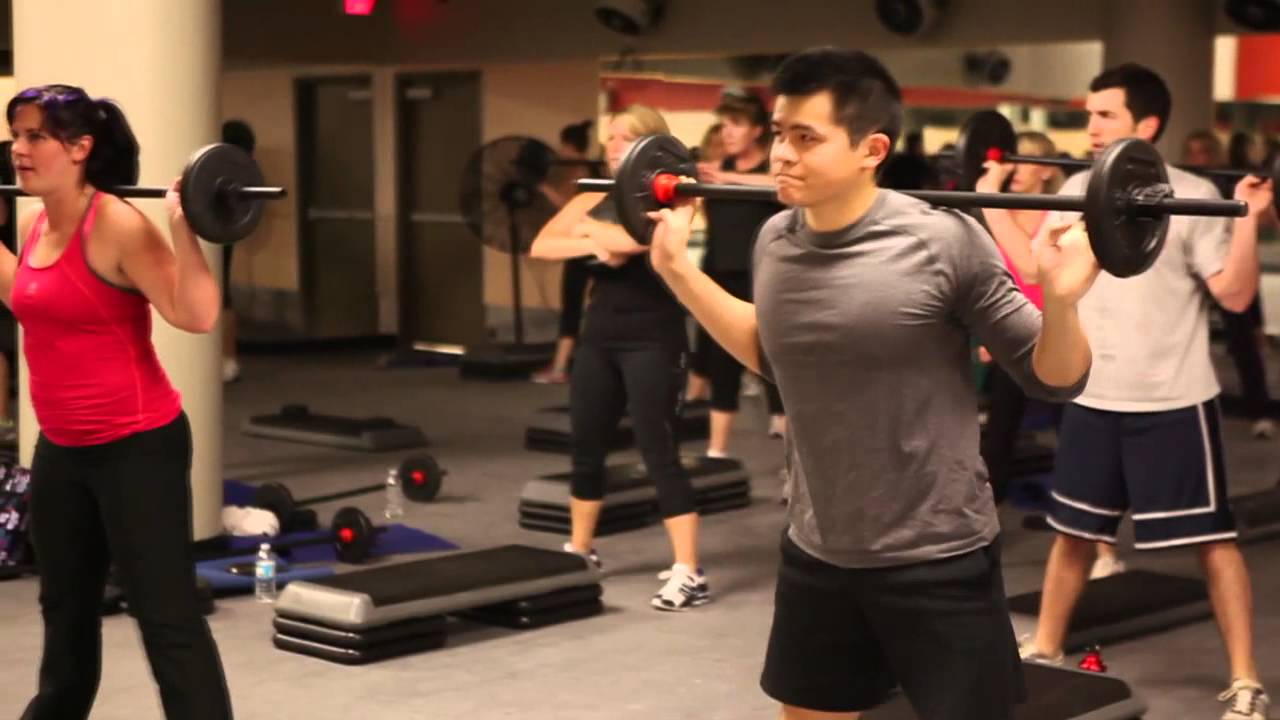
Anyone who has tried a bodypump class knows how intense it can feel. With more than 800 repetitions in a single session, it challenges every major muscle group through squats, lunges, presses, rows, and curls. This high-repetition format is excellent for burning calories and building endurance, but it also places significant stress on muscles and connective tissues. That is why recovery is just as important as the workout itself. Without proper recovery, participants risk fatigue, injury, or stalled progress.
In Singapore’s fast-paced lifestyle, where many juggle work, family, and limited free time, effective recovery strategies help ensure that BodyPump remains sustainable and enjoyable. From foam rolling to nutrition and sleep, knowing what works will enhance your performance, reduce soreness, and improve long-term results. Later in this article, we will also touch on how True Fitness supports members with holistic fitness solutions, including access to recovery-friendly facilities and professional guidance.
Why Recovery Matters After BodyPump
Recovery is the process through which the body repairs and adapts after exercise. During a BodyPump class, muscles experience microtears, glycogen stores are depleted, and the nervous system is challenged. Recovery allows these systems to rebuild stronger, leading to improved strength, endurance, and muscle tone. Neglecting recovery can lead to overtraining, characterised by fatigue, irritability, and decreased performance.
Benefits of prioritising recovery:
-
Reduced muscle soreness
-
Faster adaptation and progress
-
Lower risk of injury
-
Improved energy for subsequent workouts
-
Enhanced mental wellbeing
Understanding the science of recovery empowers BodyPump participants to make smart choices outside the studio.
Foam Rolling: Self-Myofascial Release
One of the simplest and most effective recovery tools for BodyPump participants is foam rolling. This technique, known as self-myofascial release, involves applying pressure to muscles using a foam roller to reduce tightness and improve blood flow.
How Foam Rolling Helps:
-
Reduces delayed onset muscle soreness (DOMS): Rolling muscles post-class alleviates stiffness.
-
Improves circulation: Better blood flow means nutrients and oxygen reach fatigued muscles faster.
-
Increases flexibility: Regular rolling improves mobility, which helps in squats and lunges.
-
Breaks down adhesions: Reduces knots and scar tissue that build up from repetitive movements.
Tips for Effective Foam Rolling:
-
Focus on quads, hamstrings, calves, glutes, and back, as these are heavily engaged in BodyPump.
-
Roll slowly, pausing at tender spots for 20–30 seconds.
-
Spend 5–10 minutes rolling immediately after class or during rest days.
Many Singapore gyms provide foam rollers in stretching zones, making it easy to integrate into your cooldown routine.
The Role of Nutrition in Recovery
What you eat after BodyPump significantly impacts recovery. The body needs fuel to repair muscles, replenish energy stores, and reduce inflammation.
Post-Workout Nutrition Essentials:
-
Protein
-
Supports muscle repair and growth.
-
Aim for 20–30 grams of protein within 30–60 minutes post-class.
-
Examples: chicken breast, eggs, tofu, Greek yoghurt, or protein shakes.
-
-
Carbohydrates
-
Replenish glycogen stores depleted during the workout.
-
Pair carbs with protein for optimal recovery.
-
Examples: brown rice, sweet potatoes, oats, wholegrain bread.
-
-
Healthy fats
-
Support joint health and reduce inflammation.
-
Examples: avocados, salmon, nuts, chia seeds.
-
-
Hydration
-
Singapore’s humid climate increases sweat loss. Replace fluids with water or electrolyte drinks.
-
Meal Ideas for BodyPump Recovery:
-
Grilled salmon with quinoa and roasted vegetables
-
Tofu stir-fry with brown rice and broccoli
-
Protein smoothie with banana, almond butter, and oats
Consistent nutrition choices not only speed recovery but also improve long-term results.
Sleep: The Most Underrated Recovery Tool
No recovery strategy is complete without quality sleep. Sleep is when the body undergoes the majority of muscle repair and hormonal regulation. Growth hormone, which plays a key role in muscle recovery, is released during deep sleep cycles.
Why Sleep Matters:
-
Muscle repair: Sleep enhances protein synthesis, repairing microtears from BodyPump.
-
Hormonal balance: Regulates cortisol (stress hormone) and supports recovery hormones.
-
Cognitive function: Better sleep improves focus and motivation for future classes.
Tips for Better Sleep in Singapore’s Climate:
-
Keep the room cool with air-conditioning or fans.
-
Maintain a consistent bedtime routine.
-
Limit screen time before bed.
-
Consider blackout curtains to block city lights.
Aim for 7–8 hours of sleep per night for optimal recovery and performance.
Active Recovery: Gentle Movement for Healing
On rest days, staying lightly active can speed up recovery by boosting circulation without overloading the muscles.
Active Recovery Options:
-
Walking or cycling at low intensity around neighbourhood parks
-
Gentle yoga sessions for mobility and relaxation
-
Swimming at community pools for low-impact movement
-
Light stretching to maintain flexibility
These activities keep muscles active while allowing them to heal, making it easier to return to BodyPump feeling refreshed.
Stress Management and Mental Recovery
Recovery is not purely physical. Stress from work and daily life also impacts how well the body adapts to exercise. Elevated stress hormones can slow muscle repair and reduce energy levels.
Stress Recovery Techniques:
-
Mindfulness or meditation: Even 10 minutes daily helps reduce cortisol levels.
-
Breathing exercises: Slow, deep breaths aid relaxation.
-
Leisure time: Engaging in hobbies or spending time with loved ones can recharge mental energy.
Balancing BodyPump with mental recovery ensures participants stay motivated and consistent long-term.
Avoiding Overtraining in BodyPump
Because BodyPump classes are addictive, some participants overdo it, attending daily sessions without sufficient rest. While enthusiasm is commendable, too much too soon increases the risk of overtraining.
Signs of Overtraining:
-
Persistent fatigue
-
Increased injuries or aches
-
Decreased performance despite regular attendance
-
Irritability and sleep disturbances
The solution is balance. Two to three BodyPump classes per week, combined with rest days or alternative low-impact workouts, ensures sustainable progress.
How Singapore Gyms Support Recovery
Fitness providers in Singapore are increasingly recognising the importance of recovery. At True Fitness, BodyPump participants benefit from not just high-energy classes but also access to facilities that promote holistic wellbeing. Members can cool down using foam rollers in stretching areas, receive guidance from instructors on recovery practices, and integrate recovery-focused activities like yoga and stretching classes into their routines. Having recovery integrated into the fitness ecosystem makes it easier for members to avoid burnout and keep improving steadily.
Practical Recovery Routine After BodyPump
To bring all these strategies together, here is a practical recovery routine BodyPump participants in Singapore can adopt:
-
Immediately post-class
-
Foam roll quads, hamstrings, and glutes for 5–10 minutes.
-
Drink at least 500 ml of water or an electrolyte drink.
-
-
Within one hour
-
Eat a balanced meal with protein and complex carbs.
-
Stretch for 5–10 minutes focusing on hips, shoulders, and back.
-
-
Later in the day
-
Stay lightly active through walking or mobility work.
-
Practice mindfulness or stress-relief techniques.
-
-
Nighttime
-
Wind down with a consistent sleep routine.
-
Aim for 7–8 hours of rest in a cool, dark room.
-
Repeating this cycle ensures participants recover well between sessions.
FAQs About Recovery After BodyPump
Q. How soon after BodyPump should I eat?
Within 30–60 minutes. This is when the body is most receptive to protein and carbohydrates for muscle repair and energy replenishment.
Q. Is it normal to feel sore for days after my first BodyPump class?
Yes. Beginners often experience DOMS for up to 72 hours. This usually decreases with regular attendance and proper recovery.
Q. Can I do BodyPump every day if I recover properly?
It is not recommended. Even with good recovery, the muscles need at least one rest day between high-repetition strength sessions to adapt fully.
Q. Are protein shakes necessary after BodyPump?
Not mandatory, but convenient. Whole food options like eggs, chicken, or tofu provide the same benefits if consumed within an hour post-class.
Q. Does foam rolling replace stretching?
No. Foam rolling complements stretching. Rolling improves muscle pliability, while stretching enhances flexibility.
Q. How can I speed up recovery if I am very sore?
Hydrate well, use foam rolling, take a warm shower, and engage in light activity like walking. Adequate sleep will also reduce soreness significantly.
