
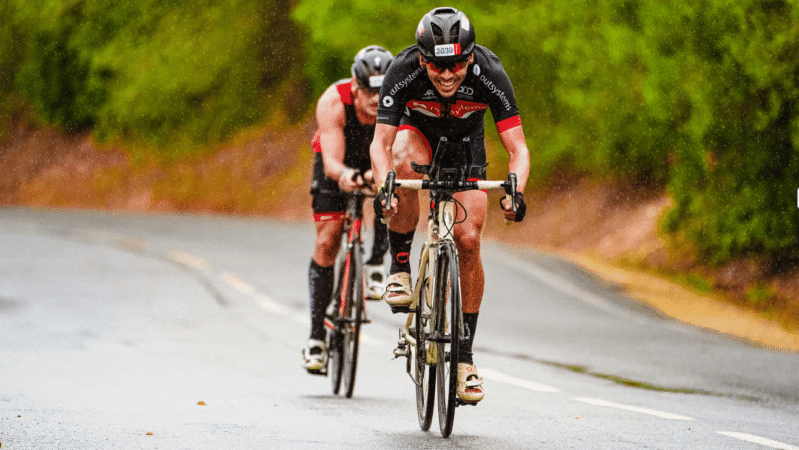
First off, hats off to you. Signing up for a sprint triathlon—whether you’re aiming to win or just cross the finish line—is a big deal. It means you’re willing to push yourself, even if you’re not entirely sure what you’re getting into yet.
And that’s okay. You don’t need to be a pro athlete. You don’t even need to have a fancy road bike or know what the heck “brick training” is (we’ll get there). You just need a plan, a bit of consistency, and a sense of humor when things don’t go quite as planned.
Let’s break it down in a way that actually makes sense.
Know What You’re Getting Into
A sprint triathlon isn’t as scary as it sounds. It’s the shortest of the traditional triathlon distances—usually around a 750-meter swim, 12.4-mile bike ride, and a 5K run. You can absolutely train for this in a few months, even if you’re starting from “uh… I walk my dog sometimes.”
The USA Triathlon website has a helpful event locator and beginner-friendly tips if you’re still looking for the right race. Pick one far enough out to give you some wiggle room, but not so far you lose motivation.
Don’t Train All Three Every Day
This is where a lot of newbies burn out. You don’t need to swim, bike, and run every single day. In fact, please don’t. You’ll just end up sore and grumpy.
Try this instead: aim for 4–6 workouts a week, rotating the disciplines. Like swim one day, bike the next, toss in a rest day, and maybe double up on a light run and strength session another day. A sample weekly layout from Triathlete Magazine is a good place to start, but make it yours. Real life happens.
Don’t Skip The Brick Workouts (yes, that’s a thing)
“Brick” workouts are just where you stack two workouts together—usually a bike ride followed by a run. It sounds weird, but the transition from pedaling to running can make your legs feel like, well, bricks.
Doing these once a week gets your body used to that awkward shift. Keep the run short at first—just a mile or so—and build from there. It doesn’t need to be pretty. Just get through it.
Practice Transitions
Here’s something nobody talks about until it’s too late: transitions matter. That chaotic shuffle from swim to bike to run? That’s part of the race, and it can cost you time (and sanity) if you’re not ready.
Lay your gear out and practice switching shoes, putting on your helmet, or jogging after a swim. You can even do a mini “mock tri” in your neighborhood or gym. Active.com has some solid advice on how to set up a transition area that doesn’t leave you fumbling with wet socks.
Adjust Based On Your Life
Let’s be real: you might not have unlimited free time or a personal coach. Maybe you’re balancing work, parenting, or even living in a senior living community and just want to challenge yourself in a new way. That’s awesome. You don’t have to follow a plan perfectly. You just have to keep going.
Train smart. Rest when your body says “nope.” Eat like it matters. And remember, your goal isn’t perfection—it’s progress.
You’re going to cross that finish line. And when you do? It’s gonna feel really good.
