
122
When people decide to adopt a healthier lifestyle, they often fall into a pattern of extreme dietary repetition. A standard wellness routine frequently involves eating the exact same meals every day: plain rolled oats with blueberries for breakfast, grilled chicken breast with white rice and steamed broccoli for lunch, and baked salmon with sweet potatoes for dinner.
On the surface, this approach seems disciplined, clean, and nutritious. It simplifies grocery shopping, streamlines meal preparation, and makes calorie tracking predictable.
However, relying on a narrow selection of ingredients over months and years creates hidden vulnerabilities. Human biology did not evolve on an assembly-line menu. Our ancestors were opportunistic foragers who consumed dozens, sometimes hundreds, of different wild plant species, roots, seeds, fungi, and animal sources across changing seasons.
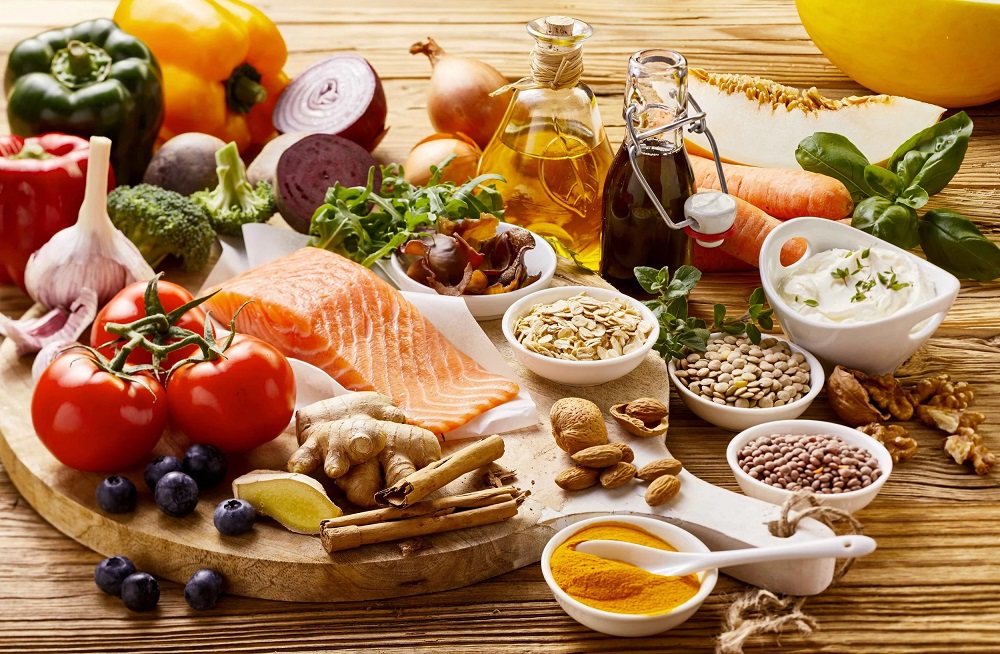
Dietary variety is not merely a culinary luxury designed to prevent boredom. It is a biological necessity. Diversifying the foods on your plate provides your body with a comprehensive spectrum of micronutrients, cultivates a resilient gut microbiome, minimizes cumulative toxin exposure, and fosters a sustainable, healthy relationship with food.
Broadening Micronutrient Horizons Beyond the Basics
No single food item contains every essential vitamin, mineral, and trace element required for optimal human physiology. When you eat the exact same produce, grains, and proteins day after day, you inevitably develop nutritional blind spots while overloading on others.
Nutrition science often highlights primary macronutrients—proteins, carbohydrates, and fats. Yet the microscopic biochemical reactions that drive cellular energy production, DNA repair, tissue regeneration, and hormonal balance depend heavily on trace minerals and fat-soluble compounds.
Consider the distinct nutritional profiles within common food categories:
-
Dark Leafy Greens: Spinach provides non-heme iron and folate, but it contains high levels of oxalates that can limit calcium absorption. Alternating spinach with kale, arugula, swiss chard, and collard greens introduces bioavailable calcium, glucosinolates, and vitamin K without saturating the body with oxalates.
-
Orange and Red Produce: Carrots, pumpkin, and sweet potatoes deliver beta-carotene, a precursor to vitamin A that supports ocular health and epithelial cell integrity. Tomatoes, watermelon, and red bell peppers offer lycopene, an antioxidant linked to cardiovascular support and cellular protection.
-
Cruciferous Vegetables: Broccoli, Brussels sprouts, cauliflower, and cabbage contain sulfur-rich compounds called isothiocyanates, notably sulforaphane, which activate hepatic phase-two detoxification pathways and assist cellular defense.
-
Blue, Purple, and Deep Red Foods: Blackberries, blueberries, red cabbage, beets, and plums supply anthocyanins and betalains, compounds known to protect vascular endothelium and enhance capillary resilience.
Rotating across a wide palette of colors guarantees that your body collects the vast array of protective phytochemicals nature produces, rather than relying on an isolated few.
Cultivating a Resilient Gut Microbiome
The human digestive tract is home to trillions of microorganisms collectively known as the gut microbiome. This vast microbial community plays a direct role in regulating metabolic rate, synthesizing vital neurotransmitters like serotonin, modulating immune defenses, and protecting the structural lining of the intestines.
Different species of gut bacteria thrive on different types of prebiotic fibers, resistant starches, and polyphenols. When you consume a monotonous diet, you selectively feed a narrow subset of bacterial strains, while other beneficial species gradually starve and dwindle in population.
A depleted gut microbiome lacks ecological resilience. Much like an agricultural monoculture that is vulnerable to a single pest, a low-diversity gut ecosystem is easily thrown off balance by physiological stress, antibiotic treatments, or viral infections.
Conversely, a diverse intake of plant-based whole foods fosters a thriving, robust microbial environment:
-
Inulin-Rich Foods: Garlic, onions, leeks, asparagus, and Jerusalem artichokes feed strains like Bifidobacteria, which produce lactic and acetic acids that keep intestinal pH balanced.
-
Resistant Starches: Cooked and cooled potatoes, green bananas, and legumes resist digestion in the upper gastrointestinal tract, traveling down to the colon where bacteria ferment them into butyrate. Butyrate acts as the primary fuel source for colonocytes and helps maintain a tight mucosal barrier.
-
Polyphenol-Dense Botanicals: Green tea, dark cocoa, flaxseeds, and pomegranate deliver polyphenols that act as natural prebiotics, encouraging the growth of beneficial Akkermansia muciniphila, a strain associated with metabolic health.
Studies in human nutritional biology consistently demonstrate that individuals who consume thirty or more distinct plant varieties each week harbor substantially more diverse gut microbiomes than those who consume ten or fewer, regardless of total caloric intake.
Mitigating Cumulative Environmental Exposure
Every food grown on earth absorbs trace elements from its surrounding soil, air, and water. While whole foods are healthy, consuming an excessive quantity of a single food item over extended periods can lead to an accumulation of naturally occurring compounds or environmental pollutants.
Dietary variety acts as an innate protective mechanism, diluting your exposure to any single contaminant:
-
Heavy Metals in Seafood: While predatory oceanic fish like swordfish and king mackerel accumulate elevated levels of methylmercury, smaller varieties like sardines, wild-caught Alaskan salmon, and anchovies carry far lower toxic burdens while offering abundant omega-3 fatty acids. Cycling your protein choices protects against mercury accumulation.
-
Arsenic in Grains: Rice plants naturally take up inorganic arsenic from water and soil more readily than other cereals. If you consume white or brown rice at every meal, your arsenic intake increases. Rotating rice with quinoa, buckwheat, farro, millet, and wild oats diversifies your carbohydrate intake while keeping heavy metal exposure low.
-
Plant Defense Chemicals: Plants naturally produce mild defense compounds, such as phytates, saponins, lectins, and goitrogens, to deter pests. In moderate, varied amounts, these compounds provoke a mild, beneficial hormetic stress response in the human body. However, eating massive quantities of raw cruciferous vegetables or raw spinach every single day can stress thyroid function or inhibit mineral absorption.
By rotating your staples, you allow your body natural metabolic windows to clear trace compounds safely without creating internal burdens.
Preventing Nutritional Burnout and Sustaining Long-Term Habits
Health journeys often unravel not from physical hunger, but from psychological exhaustion. Monotony leads directly to sensory-specific satiety, a phenomenon where the brain becomes completely numb to the pleasure of a repeated food, driving intense cravings for novelty.
When an individual forces themselves to consume dry chicken and plain broccoli day after day, eating becomes a chore. Over weeks, the subconscious mind begins to associate healthy eating with punishment and deprivation. Eventually, when resolve inevitably cracks, the rebound swings toward hyper-palatable, highly processed comfort foods that offer sudden bursts of flavor, salt, and texture.
Incorporating variety transforms healthy living into an engaging, enjoyable experience:
-
Exploring Diverse Spices and Herbs: Incorporating turmeric, rosemary, cumin, ginger, oregano, cinnamon, and smoked paprika transforms simple ingredients into completely different culinary profiles while delivering potent antioxidant and anti-inflammatory compounds.
-
Honoring Seasonal Cycles: Embracing seasonal produce means enjoying crisp asparagus and tender peas in spring, sweet berries and heirloom tomatoes in summer, roasted squash and crisp apples in autumn, and hardy root vegetables and citrus fruits in winter. This cyclical rhythm prevents palate fatigue.
-
Varying Cooking Techniques: Shifting between roasting, braising, steaming, sautéing, and raw preparations alters the textures, flavors, and nutrient bioavailability of the same foundational foods.
When healthy meals taste dynamic and engaging, you never feel the urge to escape into a binge-and-restrict cycle. Variety provides the sensory satisfaction necessary to make nutritious eating a permanent way of life.
Practical Steps to Add Variety Without Complication
Transitioning to a varied diet does not require spending hours researching exotic ingredients or tripling your grocery bill. Small, deliberate adjustments to your weekly shopping routine can expand your nutritional diversity:
-
The Rule of Two New Items: Every time you visit the supermarket or local farmers market, intentionally purchase two whole-food ingredients you have never cooked before, or have not eaten in months.
-
Buy Mixed Produce Packs: Choose pre-washed salad mixes featuring baby spinach, mizuna, chard, and tatsoi rather than a single head of iceberg lettuce. Select bags of mixed heirloom potatoes or rainbow carrots instead of uniform varieties.
-
Blend Your Grains and Legumes: Keep a jar filled with a blend of brown rice, black rice, and red quinoa, or combine red lentils, split peas, and green lentils in hearty soups.
-
Rotate Your Protein Sources: If you consumed poultry for lunch, choose a plant-based legume bowl, pasture-raised eggs, or wild-caught fish for dinner. Aim to include at least two completely different protein categories every twenty-four hours.
By treating dietary variety as a continuous, adventurous habit rather than a rigid set of rules, you build an everyday eating pattern that supports cellular vitality, feeds your internal microbiome, and keeps your meals genuinely enjoyable.
Frequently Asked Questions
Does increasing food variety make weight management more difficult?
It depends on what type of variety you introduce. Introducing a wide variety of hyper-palatable, ultra-processed snack foods often stimulates appetite and leads to passive overconsumption because multiple flavor profiles override internal fullness cues. However, expanding the variety of whole, fiber-rich plant foods, lean proteins, and healthy fats actually improves weight management by balancing gut hormones, stabilizing blood sugar levels, and providing long-lasting physical satiety.
Can dietary supplements replace the need to eat a wide variety of whole foods?
No, dietary supplements cannot replicate the intricate synergy of whole foods. An orange provides vitamin C, but it also delivers dietary fiber, bioflavonoids, potassium, and carotenoids that enhance how the human body absorbs and utilizes that vitamin. Nutritional supplements isolate single compounds in synthetic forms, lacking the complex biological matrices and thousands of undiscovered phytonutrients that work synergistically in unrefined plants.
How does cooking affect the nutrient variety in vegetables?
Different cooking methods alter the bioavailability of specific nutrients. For example, boiling can leach water-soluble vitamins like vitamin C and B-complex vitamins into the cooking water, whereas cooking tomatoes increases the bioavailability of lycopene, and gentle steaming boosts the accessibility of beta-carotene in carrots. Consuming a mixture of both raw vegetables and thoughtfully cooked preparations ensures you capture the widest possible spectrum of usable nutrients.
Are frozen fruits and vegetables as nutritionally diverse as fresh produce?
Yes, commercially frozen produce is often just as nutrient-dense, and occasionally more so, than fresh produce that has spent weeks in transit and on store shelves. Frozen fruits and vegetables are typically harvested at peak ripeness and flash-frozen within hours, locking in vitamins, minerals, and antioxidants. Utilizing frozen produce is an affordable, practical way to maintain dietary variety year-round without worrying about food spoilage.
How can people with severe food allergies maintain dietary variety safely?
Individuals with multiple food allergies or intolerances can build variety by exploring underutilized ingredients outside common allergen groups. For example, if you must avoid gluten and tree nuts, experiment with diverse ancient grains and seeds such as amaranth, teff, sorghum, chia, hemp, and pumpkin seeds. Working with a registered dietitian specializing in food allergies helps ensure you rotate safe foods without compromising micronutrient completeness.
Does eating a repetitive diet permanently damage digestive enzymes?
A repetitive diet does not permanently damage your body’s ability to produce digestive enzymes, but it can temporarily downregulate specific production pathways. The human pancreas and intestinal brush border adjust enzyme secretions based on habitual macronutrient intake. If you completely avoid certain food categories, such as legumes, for months, your digestive tract may produce lower amounts of the specific alpha-galactosidase enzymes needed to break them down smoothly, resulting in temporary gas or bloating when reintroducing them.
What is the simplest way to measure dietary variety throughout a normal week?
A practical way to measure dietary variety is to keep a running plant count on your refrigerator door. Set a goal to tally thirty distinct plant species each week, counting every unique vegetable, fruit, grain, legume, nut, seed, and culinary herb you consume. Assign one point per unique species, regardless of portion size. This turns healthy eating into a creative game and encourages you to grab mixed grains, varied salad greens, and colorful produce without counting calories.
