
97
Every year, millions of people embark on restrictive dietary programs with the goal of improving their health, shedding body fat, or gaining daily energy. The modern wellness industry routinely promotes quick fixes: thirty-day cleanses, strict carbohydrate elimination plans, synthetic detox drinks, and rigid feeding schedules. While these drastic protocols may produce rapid water weight drops in the opening weeks, they almost always fail over the long haul.
Human biology and human psychology resist chronic deprivation. When eating becomes an exercise in willpower and constant denial, fatigue sets in. People eventually abandon their rules, regain the weight they lost, and internalize a sense of personal failure.
The issue is rarely personal willpower; it is the framework itself. True nutritional wellness is not an emergency sprint, but a lifelong practice. Building a sustainable approach to healthy eating requires moving past the diet mindset, understanding foundational human physiology, and designing practical habits that fit into your actual daily life.
Ditching the Restrictive Diet Mindset
The primary reason commercial diets fail is their reliance on extreme restriction. Diets categorize foods into rigid moral silos of good versus bad. When you label an everyday food as forbidden, you increase its psychological appeal, setting the stage for obsessive cravings and eventual binge eating.
Sustainable nutrition replaces restriction with inclusion and balance. Instead of obsessing over what you must cut out, focus on what you can add to nourish your body.
-
Focus on Addition Over Subtraction: Add a serving of roasted green vegetables to dinner, stir fresh berries into your morning oats, or drink an extra glass of water before your afternoon coffee. Adding micronutrient-dense items naturally crowds out lower-nutrient options without creating feelings of deprivation.
-
Eliminate Moral Judgments from Food: Food carries nutritional value and cultural meaning, but it does not possess moral virtue. Eating a slice of birthday cake does not make you a failure, and eating a plain bowl of steamed broccoli does not make you superior. Neutralizing the emotional charge around eating removes guilt and prevents stress-induced eating cycles.
-
Adopt the Eighty-Twenty Flexibility Principle: Aim to obtain roughly eighty percent of your daily energy from minimally processed, nutrient-dense whole foods that fuel physical vitality. Reserve the remaining twenty percent for cultural meals, social gatherings, and personal treats that bring genuine enjoyment.
When you abandon perfectionism, you eliminate the all-or-nothing mindset. Missing a single planned meal or enjoying a restaurant dinner no longer derails your entire lifestyle.
Prioritizing Nutrient Density and Whole Foods
Rather than tracking calories down to the single digit, focus your meals around whole, minimally processed ingredients. Whole foods provide a natural matrix of fiber, vitamins, minerals, phytonutrients, and healthy fats that work together to support metabolic health, steady digestion, and balanced blood sugar.
Ultra-processed foods are engineered to bypass natural satiety cues, pairing refined sugars, processed seed oils, and sodium in ratios that drive overconsumption. Whole foods, conversely, signal fullness naturally through stretch receptors in the stomach and satiety hormones in the gut.
The Power of Dietary Fiber
Fiber is a cornerstone of long-term health, yet it remains one of the most under-consumed nutrients in the standard Western diet. Found in beans, lentils, whole grains, seeds, vegetables, and fruit, fiber plays multiple essential roles:
-
Satiety Regulation: Soluble fiber absorbs water in the digestive tract, forming a gel-like substance that slows gastric emptying and prolongs feelings of fullness.
-
Glycemic Stability: Fiber slows the absorption of carbohydrates into the bloodstream, preventing the sharp glucose spikes and subsequent energy crashes that trigger intense mid-afternoon sugar cravings.
-
Microbiome Nourishment: Prebiotic fiber feeds beneficial bacteria in the colon, which produce short-chain fatty acids that reduce systemic inflammation, support intestinal wall integrity, and regulate mood through the gut-brain axis.
Essential Macronutrient Balance
Every balanced meal should feature a deliberate combination of protein, complex carbohydrates, and healthy dietary fats.
-
Adequate Protein: Protein provides the amino acids required to repair cellular tissue, produce vital enzymes, maintain immune competence, and preserve lean muscle mass. Protein stimulates the release of satiety hormones like peptide YY and cholecystokinin while requiring more metabolic energy to break down than fats or carbohydrates. Good sources include poultry, fish, eggs, tofu, tempeh, Greek yogurt, lentils, and lean red meats.
-
Complex Carbohydrates: Carbohydrates serve as the primary fuel source for high-intensity physical activity and cognitive function. Prioritize fiber-rich sources like sweet potatoes, oats, quinoa, brown rice, and legumes over refined flours and simple sugars.
-
Healthy Fats: Dietary fats are essential for steroid hormone synthesis, cellular membrane construction, and the absorption of fat-soluble vitamins A, D, E, and K. Incorporate extra virgin olive oil, avocados, whole nuts, seeds, and wild-caught fatty fish into daily meals.
Reconnecting with Internal Satiety Cues
Many adults have lost touch with their innate physiological hunger cues. Modern environments encourage eating by the clock, snacking out of boredom, or consuming meals mindlessly while staring at smartphone screens, laptops, or televisions.
Rebuilding a sustainable relationship with food demands mindfulness:
-
Identify True Physical Hunger: Physical hunger develops gradually in the stomach, can be satisfied by a wide variety of nourishing foods, and disappears once fullness is achieved. Emotional hunger strikes suddenly, demands specific hyper-palatable comfort foods, and persists even after the stomach is full.
-
Slow Down the Eating Process: It takes approximately fifteen to twenty minutes for hormonal signals to travel from the digestive tract to the hypothalamus to register fullness. Eating meals in a rushed, distracted state often leads to unintentional overconsumption before the brain receives the signal to stop.
-
Check In at the Halfway Mark: Pause midway through your plate to assess your current comfort level. Aim to finish meals feeling comfortably energized, around seven or eight on a ten-point fullness scale, rather than stuffed to the point of lethargy.
Designing a Friction-Free Nutritional Environment
Relying purely on conscious motivation to eat well is an unreliable long-term strategy. Motivation naturally dips after a stressful workday, during poor sleep cycles, or under emotional pressure. To ensure healthy eating lasts, shape your everyday environment so that nutritious choices require minimal effort.
Apply practical adjustments to streamline healthy meal preparation:
-
Maintain a High-Utility Pantry: Keep non-perishable staples on hand at all times, such as canned chickpeas, black beans, canned tuna, dry whole-grain pasta, rolled oats, and diced tomatoes. Having these ingredients ready allows you to cook a balanced meal in fifteen minutes when takeout feels tempting.
-
Utilize Batch-Cooking Strategies: You do not need to spend entire Sundays portioning twenty identical plastic containers. Instead, cook double portions of core proteins and whole grains during standard dinners. Leftover roasted chicken breast, baked salmon, or brown rice can be quickly repurposed into grain bowls, wraps, or salads for lunch the following day.
-
Keep Frozen Produce on Hand: Frozen vegetables and fruits are picked at peak ripeness and flash-frozen within hours, retaining nutrient levels comparable to fresh options. Keeping frozen spinach, broccoli, stir-fry medleys, and berries in the freezer ensures you never run out of produce between grocery runs.
-
Rethink Food Storage: Humans naturally reach for whatever is immediately visible and convenient. Store washed fruit, cut raw vegetables, and portioned Greek yogurt at eye level in the refrigerator, while storing processed snacks in opaque containers in high cupboards.
Building Social Resilience and Navigating Special Occasions
A nutritional strategy that only works when you are isolated in your own kitchen is not sustainable. Real life involves family holiday dinners, professional networking lunches, weekend celebrations, and vacation travel.
A truly sustainable plan adapts to social situations without stress:
-
Never Arrive at Events Ravenous: Showing up to a social gathering with an empty stomach drives blood sugar drops and triggers cravings for high-calorie hors d’oeuvres. Eat a small snack containing protein and fiber, such as an apple with a handful of almonds, before leaving home.
-
Survey Your Options First: Before piling food onto a buffet plate, scan the entire spread. Select two or three special items you genuinely look forward to enjoying, and balance the rest of your plate with available salads, roasted vegetables, and lean proteins.
-
Focus on Conversation and Connection: Remind yourself that social gatherings are fundamentally about relationships, shared memories, and conversation, with food serving as an accompaniment rather than the sole centerpiece.
By approaching social occasions with flexibility rather than anxiety, you protect both your metabolic health and your personal relationships.
Cultivating Patience and Measuring Meaningful Progress
Sustainable habit formation requires patience. Biological adaptations take weeks, months, and quarters to solidify. If you expect drastic physical transformations inside fourteen days, you will grow discouraged and abandon the process before deep health improvements take hold.
Shift your focus away from daily bathroom scale fluctuations. Body weight naturally fluctuates by two to four pounds daily based on fluid balance, sodium intake, intestinal transit times, and glycogen storage. Instead, track non-scale indicators of vitality:
-
Daily Energy Levels: Notice whether you experience steady focus throughout the afternoon without needing excessive caffeine or sugar.
-
Sleep Quality and Recovery: Pay attention to how easily you fall asleep, how deeply you rest, and how refreshed you feel upon waking.
-
Digestive Comfort: Monitor reductions in chronic bloating, gas, heartburn, and irregular bowel habits.
-
Mood and Cognitive Clarity: Track improvements in mental resilience, baseline anxiety levels, and emotional stability.
-
Physical Strength and Endurance: Observe your ability to climb stairs without breathlessness, lift progressively heavier loads in the gym, and recover quickly between workouts.
When you anchor your nutritional choices to how vibrant and capable you feel every day, healthy eating ceases to be an obligation. It becomes a natural, supportive habit that enhances every facet of your life.
Frequently Asked Questions
Is it necessary to count calories to build a sustainable approach to healthy eating?
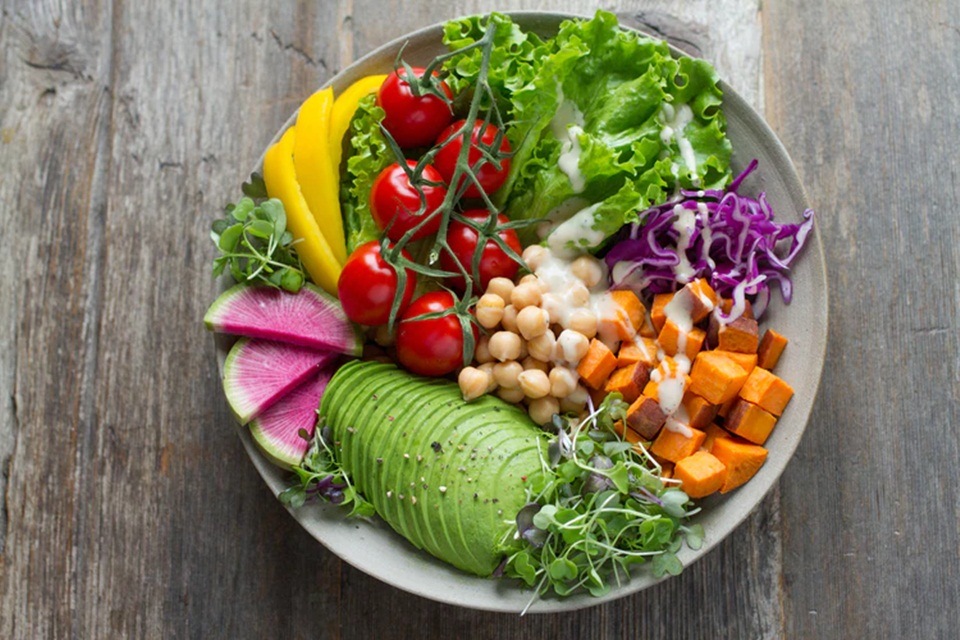
No, counting calories is not required to eat healthily. While logging calories can be an educational temporary exercise to understand general portion sizes and macronutrient profiles, doing it over long periods often feels tedious and disconnected from natural bodily needs. Building your plate with a simple visual framework—filling half your plate with colorful non-starchy vegetables, a quarter with lean protein, and a quarter with fiber-rich complex carbohydrates, complemented by a modest serving of healthy fat—provides balanced nutrition and portion control without scales or apps.
How does chronic stress affect appetite and food choices?
Chronic emotional and psychological stress triggers prolonged elevations of the hormone cortisol. Elevated cortisol levels increase appetite, particularly for hyper-palatable foods that combine refined sugars and saturated fats. These calorie-dense foods temporarily dampen stress responses in the brain, creating an unconscious cycle of emotional eating. Managing daily stress through physical movement, adequate sleep, and deliberate relaxation is just as important for nutritional success as what you put on your plate.
Are organic foods strictly necessary to achieve a healthy lifestyle?
Consuming an entirely organic diet is not essential to achieving good health. While buying organic can reduce exposure to synthetic pesticides, standard conventional produce delivers identical vitamins, minerals, and dietary fiber. The health benefits of eating plenty of fruits and vegetables far outweigh any potential risks from low-level pesticide residues. If you are shopping on a tight budget, focus on eating a diverse variety of standard produce rather than buying fewer organic items due to higher costs.
How should I handle strong cravings for sugary or ultra-processed treats?
Start by identifying the root trigger of the craving: ask yourself whether you are physically hungry, dehydrated, chronically underslept, or emotionally stressed. If you determine you are genuinely craving a specific treat rather than just seeking quick comfort, allow yourself to enjoy a reasonable portion mindfully without distraction or guilt. Trying to ignore a persistent craving by eating large quantities of low-calorie substitutes often ends in overconsumption anyway.
Can a plant-based or vegan diet be sustained long-term without developing nutritional deficiencies?
Yes, a well-planned plant-based diet can support long-term health and athletic performance. However, because certain nutrients are scarce or less bioavailable in plant matter, individuals following strict vegan diets should supplement with vitamin B12, an essential nutrient absent in unfortified plant foods. Depending on individual geography, blood work, and food preferences, plant-based eaters may also need to monitor their intake of vitamin D3, iron, zinc, calcium, and long-chain omega-3 fatty acids.
Why does drinking sufficient water support healthy eating habits?
The brain’s hypothalamus regulates both thirst and hunger through overlapping neural circuits, which can cause mild dehydration to feel like food cravings. Drinking sufficient water supports saliva production, optimizes digestive enzyme function, and assists fiber in forming smooth transit gels throughout the intestinal tract. Drinking a glass of water before meals also promotes gentle stomach distension, which helps trigger early satiety signals during eating.
How can people with busy schedules maintain healthy eating without spending hours in the kitchen?
Efficiency comes down to using smart grocery shortcuts and simple cooking methods. Buy pre-chopped fresh vegetables, bagged pre-washed leafy greens, and rotisserie chickens, or use slow cookers and sheet pans that cook proteins and vegetables together with minimal cleanup. Keep simple, shelf-stable ingredients like low-sodium canned beans, microwaveable plain quinoa pouches, and frozen vegetables stocked so you can assemble a balanced meal in ten minutes without advanced prep work.
